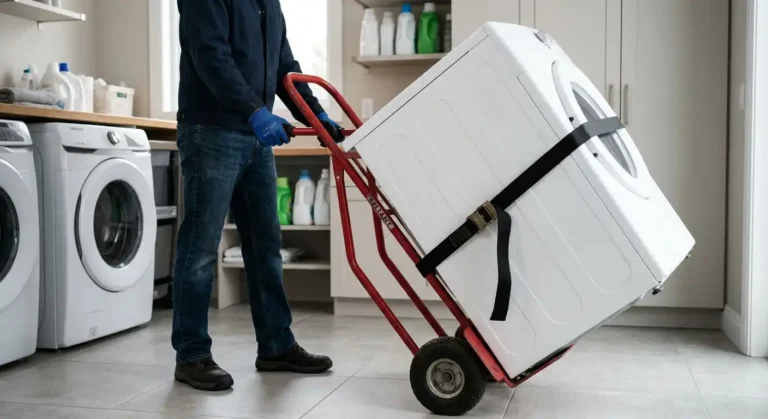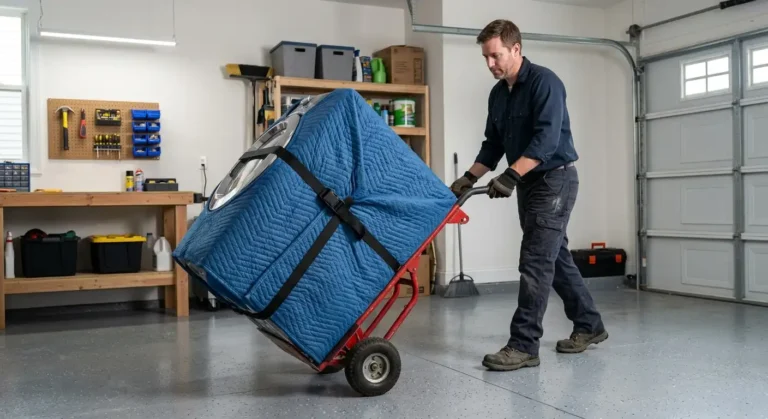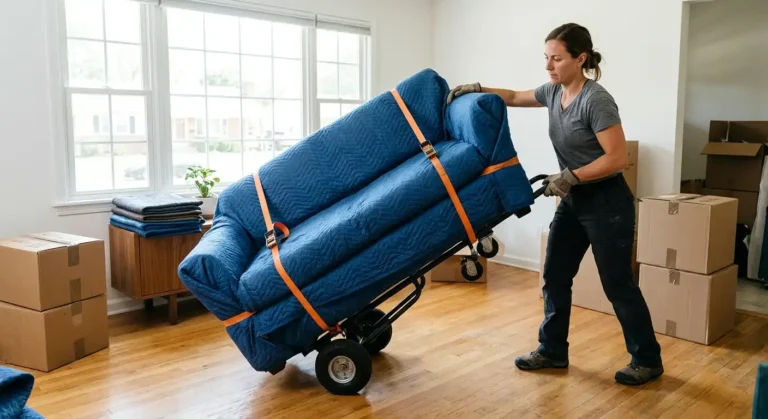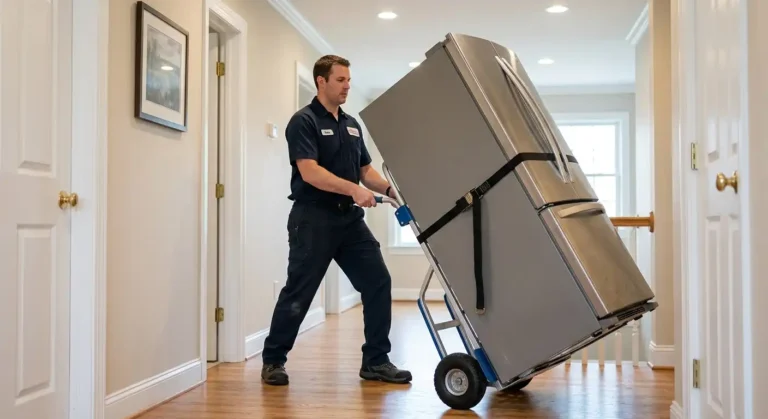

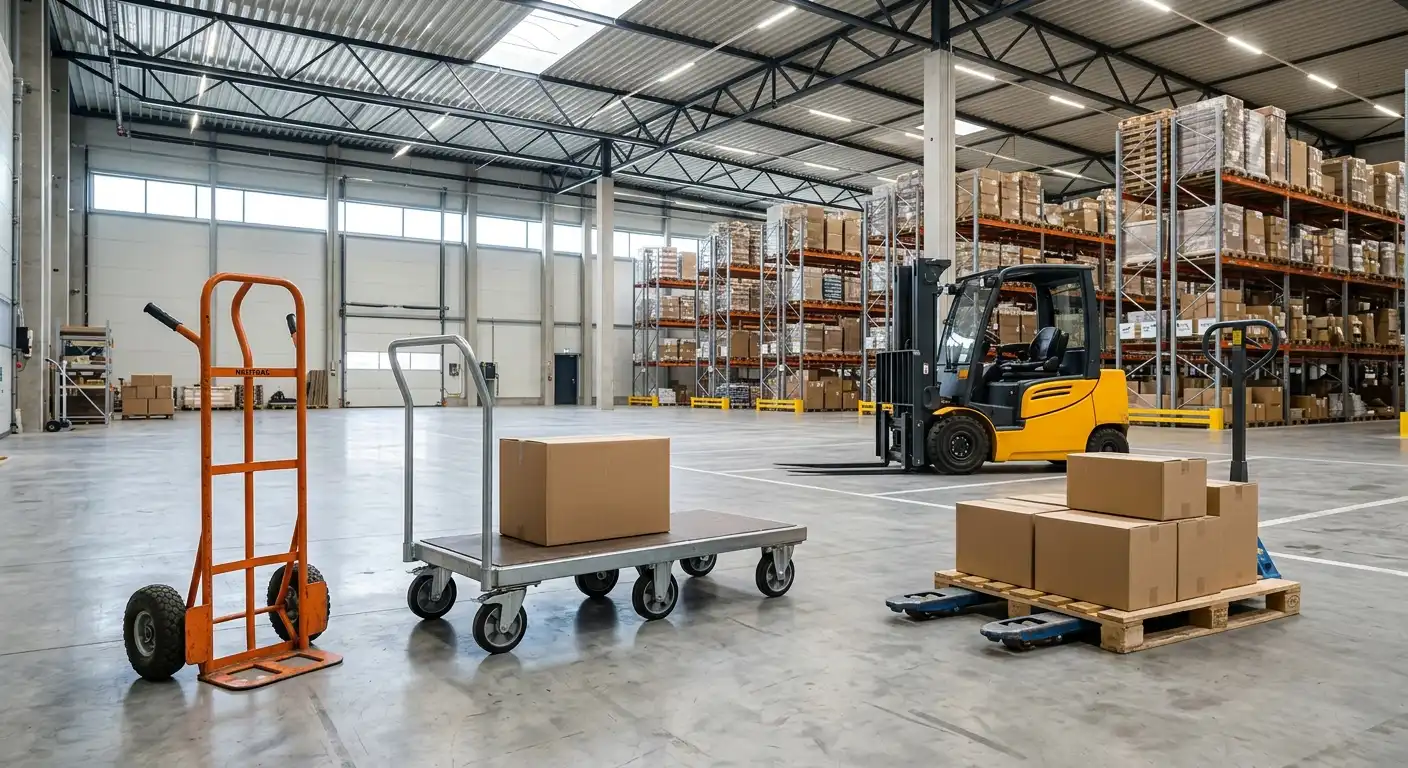
Material handling equipment refers to mechanical devices, vehicles, tools, and systems used to move, lift, position, store, load, and unload materials and goods. Common examples include hand trucks, dollies, platform carts, pallet jacks, forklifts, conveyors, hoists, and cranes. It is widely used in warehouses, manufacturing plants, distribution centers, retail stores, and construction sites.
What Is Material Handling Equipment Used For?
Material handling equipment helps workers transport goods safely and efficiently throughout a facility. Its primary purpose is to simplify the movement of physical items during production, storage, distribution, and consumption.
Common functions include:
- Moving goods from one location to another
- Lifting and lowering heavy loads
- Loading and unloading delivery trucks
- Storing items on high shelves or racks
- Positioning raw materials for machinery or assembly lines
- Reducing manual lifting tasks for workers
Using the proper equipment helps maintain a smooth workflow and reduces unnecessary physical strain on workers.
Types of Material Handling Equipment
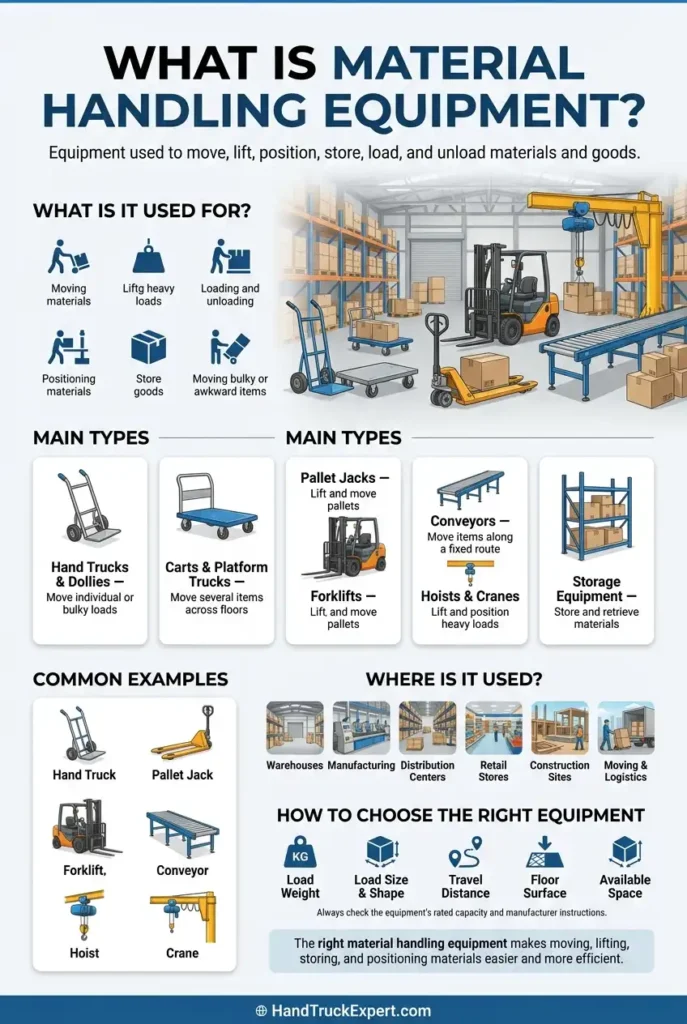
Material handling equipment ranges from simple manual tools to complex automated machinery. Equipment is generally grouped into several main categories based on function and design.
Hand Trucks and Dollies
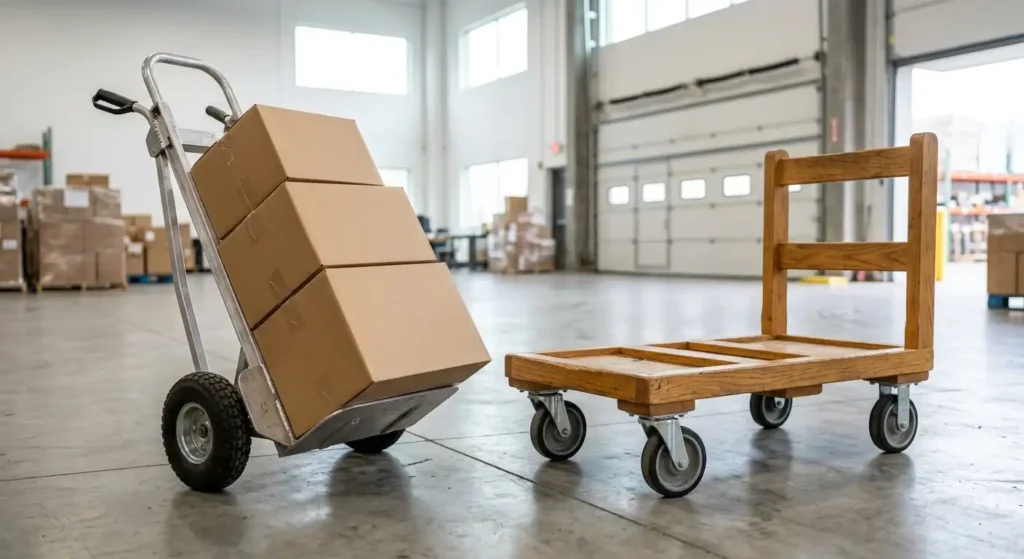
Hand trucks and dollies are simple manual devices used to move individual items or small stacks of goods over short distances.
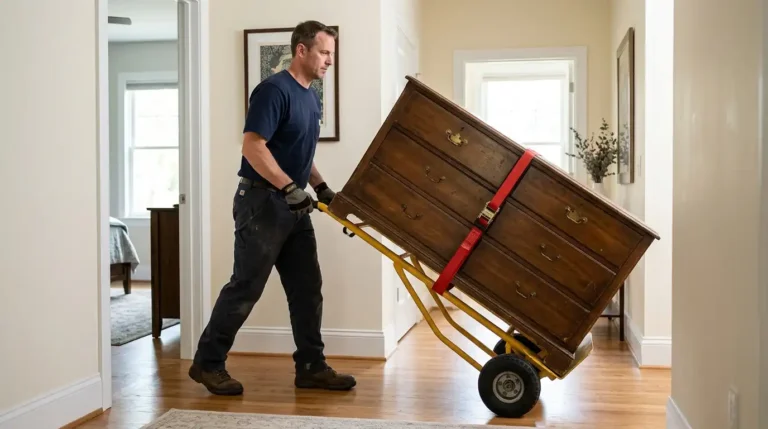
A hand truck features an L-shaped frame with two wheels and a toe plate that slides under a load. If you are unfamiliar with how these vertical carts operate, learning what a hand truck is helps explain their leverage-based design.
Common options include lightweight folding models, convertible carts, and specialized appliance trucks. Reviewing different types of hand trucks can help you find the right style for your work environment.
A dolly is typically a flat platform or open frame with four caster wheels. Dollies are ideal for carrying large, bulky, or heavy items like furniture, crates, or machinery. Comparing a hand truck vs dolly shows that hand trucks rely on leverage and two wheels, while dollies balance items flat across four wheels.
Carts and Platform Trucks
Carts and platform trucks move multiple items or loose goods across flat floors. A platform truck consists of a flat deck mounted on four wheels with a handle on one or both ends. They allow workers to transport several boxes or loose parts in a single trip, saving time compared to carrying items individually.
Pallet Jacks
Pallet jacks, also known as pallet trucks, are designed to lift and move pallets. They feature two forks that slide into the openings of a pallet. A hydraulic pump handle allows the operator to lift the load slightly off the ground to roll it across smooth surfaces. Pallet jacks come in manual models and powered electric versions.
Forklifts
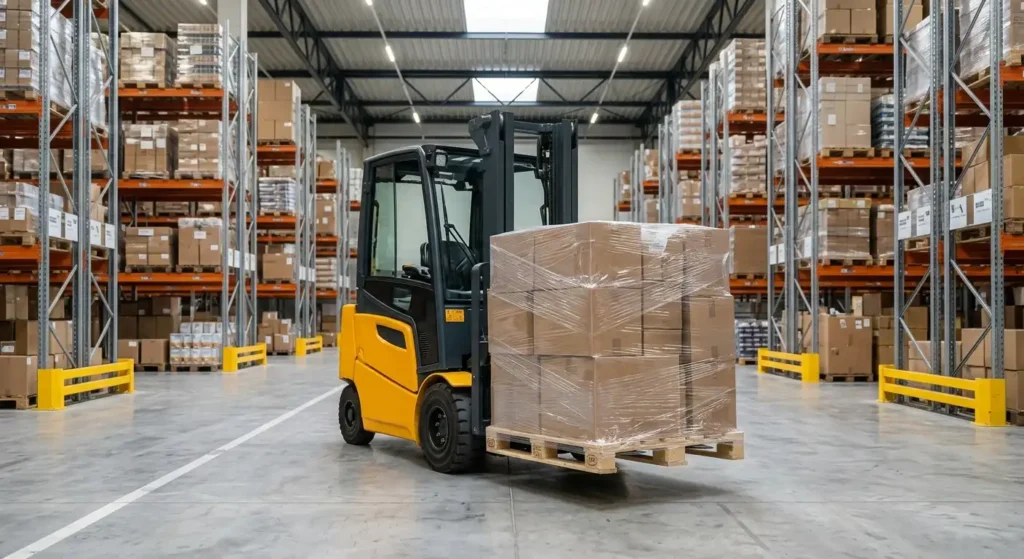
Forklifts, or powered industrial trucks, are motorized vehicles equipped with powered forks to lift, stack, and move heavy loads. Some forklifts are operated by a driver seated inside a cab, while walkie models are controlled by an operator walking behind the unit.
Under workplace safety guidelines established by OSHA, powered industrial trucks are defined as mobile, power-propelled trucks used to carry, push, pull, lift, stack, or tier materials. Because powered equipment carries inherent risks, employers must ensure operators complete required training, observe load capacity ratings, and operate machinery according to manufacturer guidelines.
Conveyors
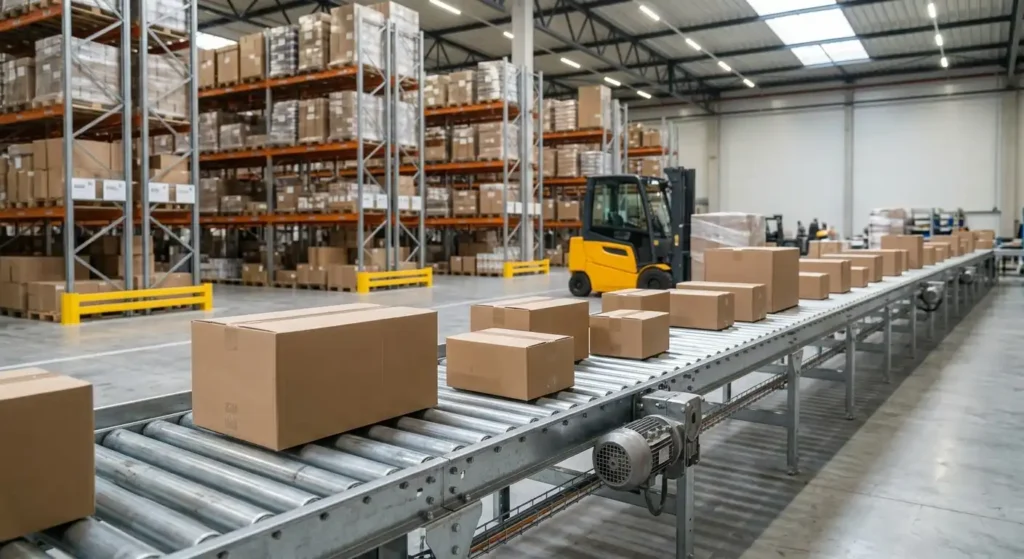
Conveyors use belts, rollers, or chains to move items continuously along a fixed path. They are widely used in fulfillment centers, food production plants, and manufacturing facilities to move boxes, packages, and raw materials rapidly from one department to another.
Hoists and Cranes
Hoists and cranes use overhead cables, chains, and hooks to lift and position heavy items. Hoists raise and lower loads vertically, while cranes can move heavy objects both vertically and horizontally across a wider work area. They are commonly used in machine shops, construction sites, and heavy manufacturing.
Storage and Retrieval Equipment
Storage equipment includes non-automated and automated systems designed to hold materials when they are not in transit. Examples include pallet racking, industrial shelving, drive-in racks, and automated storage and retrieval systems (ASRS). These systems maximize vertical floor space in warehouses.
Examples of Material Handling Equipment
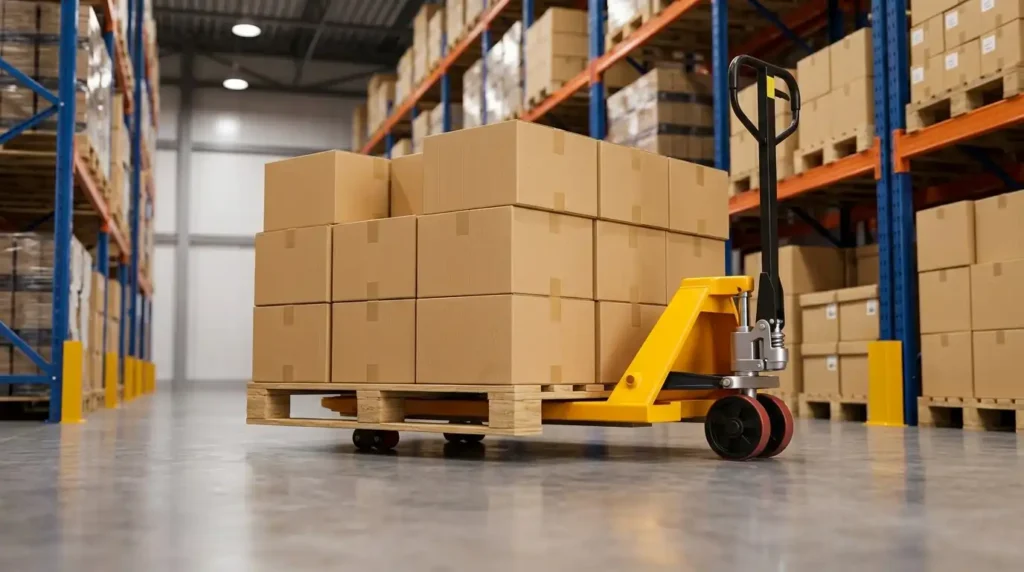
The table below outlines common equipment types and their primary uses:
| Equipment | Main Purpose |
| Hand truck | Moving individual boxes, stacks, and tall loads over short distances |
| Dolly | Transporting bulky, heavy, or awkwardly shaped items |
| Platform cart | Moving multiple items or loose goods across flat surfaces |
| Pallet jack | Lifting and moving wooden or plastic pallets |
| Forklift | Raising, lowering, and stacking heavy palletized loads |
| Conveyor | Transporting items continuously along a fixed route |
| Hoist | Raising and lowering heavy loads vertically using hooks or chains |
| Crane | Lifting, lowering, and positioning heavy loads across an overhead area |
Why Is Material Handling Equipment Important?
Using proper material handling equipment offers several practical advantages for businesses:
- Eases physical workload: Mechanical equipment does the heavy lifting, which helps reduce physical wear and strain on workers.
- Improves work efficiency: Moving several items on a platform cart or pallet jack is faster than carrying items by hand.
- Helps protect goods: Proper lifting tools lower the risk of dropping or damaging fragile products during transit.
- Saves operational time: Specialized tools accelerate loading, unloading, and stocking tasks.
While equipment makes handling heavy items easier, it does not completely eliminate workplace risk. Understanding safety procedures when using hand trucks, dollies, and carts ensures proper loading, clear sightlines, and safe movement across physical work areas.
How to Choose Material Handling Equipment?
Selecting the right equipment depends on the specific job requirements and physical environment. Factors to consider include:
- Weight of the load: Check manufacturer capacity ratings to ensure the equipment can support your heaviest items safely. Knowing how much weight a hand truck can hold helps prevent frame bending or wheel failure.
- Size and shape: Large or irregular items may require an open dolly rather than a narrow hand truck.
- Travel distance: Manual carts work well for short distances, while powered equipment or conveyors suit longer routes.
- Floor surface: Pneumatic air-filled tires handle outdoor gravel or uneven pavement, while hard rubber or polyurethane wheels work best on smooth indoor concrete.
- Lifting height: If you need to stack items on high racks, a forklift, hoist, or stacker is necessary.
- Space limits: Narrow warehouse aisles require compact equipment like reach trucks or manual hand trucks that turn in tight spaces.
Learning how to choose the right hand truck ensures you balance wheel style, handle design, and frame material for your daily tasks.
Material Handling Equipment vs. Material Handling Tools
The terms equipment and tools are often used interchangeably in everyday industrial language.
Material handling equipment is a broad category that includes all machinery, vehicles, and structures used to manage physical materials. Material handling tools usually refers to smaller, simpler manual devices within that category. For instance, a basic hand truck can be described both as a piece of material handling equipment and as a material handling tool.
Material Handling Equipment vs. Material Handling Systems
Equipment refers to individual tools or machines, such as a standalone forklift or a platform cart.
A material handling system is the broader network that integrates individual pieces of equipment, software controls, storage units, operational methods, and workers into a single coordinated process. For example, a warehouse that uses a conveyor belt to feed items toward automated sorting racks managed by tracking software is operating an integrated material handling system.
FAQs
Material handling equipment is a type of equipment that is used to move materials which includes manual, semi-automated, and powered devices used to lift, move, store, and position materials, goods, and products across industrial and commercial workplaces.
Common examples include hand trucks, dollies, platform carts, pallet jacks, forklifts, conveyors, hoists, cranes, and pallet racks.
Yes. A hand truck is a fundamental piece of manual material handling equipment designed to move heavy or bulky items using two wheels and leverage.
The primary types are transport equipment (like hand trucks and forklifts), positioning equipment (like lift tables), storage equipment (like racking), and unit load formation equipment (like pallets and strapping).